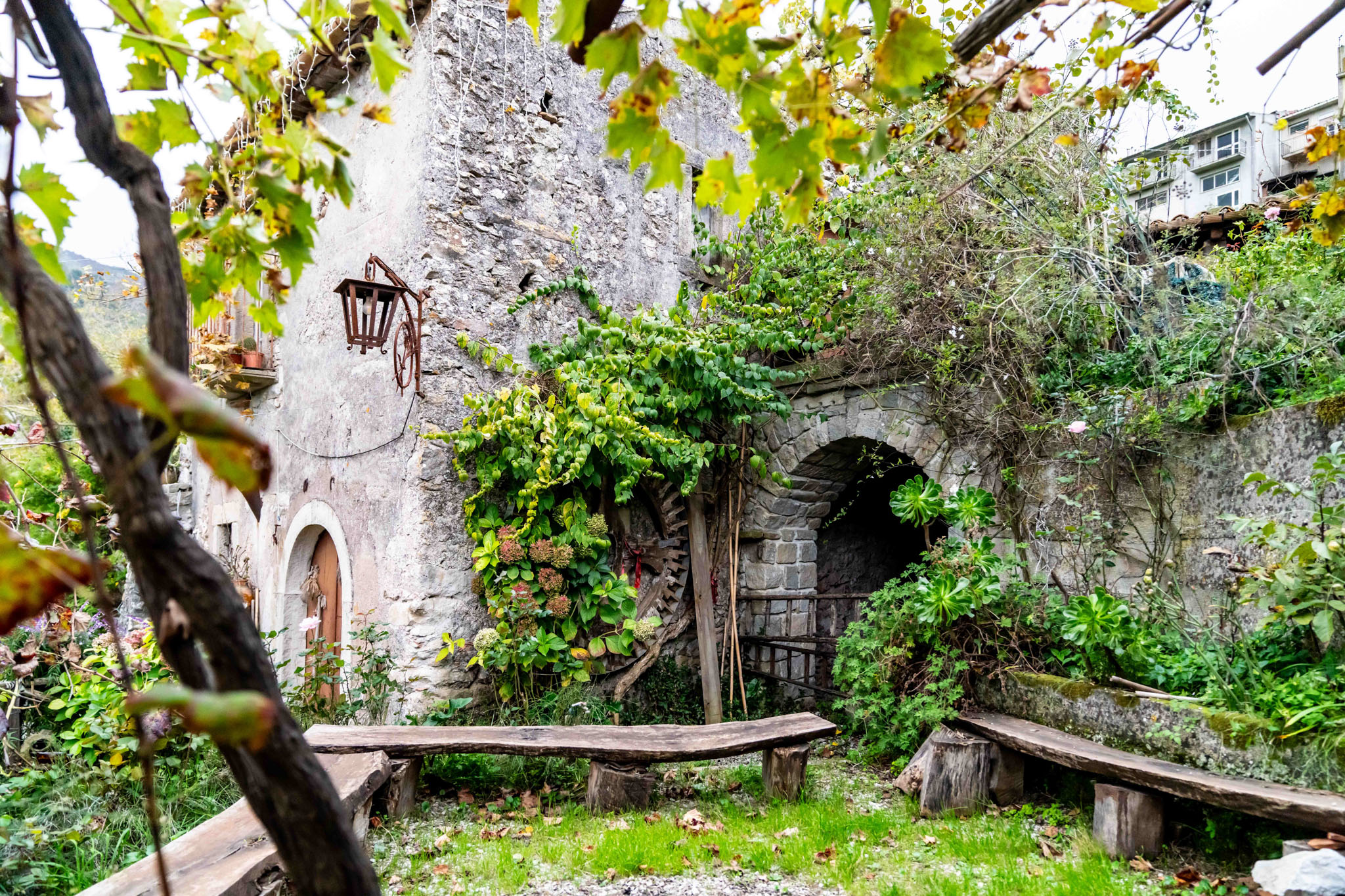


In the heart of the village of Novara di Sicilia, along the powerful flow of the San Giorgio stream, stands a small masterpiece of history and tradition: the Giorginaro Mill (Mulino Giorginaro). What appears to be a simple stone building is, in reality, a living bridge between past and present, a heritage to be explored and admired.
The Origins and Long History
The Giorginaro Mill is one of the oldest water mills in the area: it is estimated that its construction dates back to between 1350 and 1400, an era when the local economy was already deeply connected to the milling of grain due to the abundance of waterways.
A notarial document attests that a mill was already present on this site before 1399, a sign of the importance of these structures in the agricultural economy of the territory.
The frame of the entrance door bears the inscription “1690”: this date marks an intervention to raise the height of the building, likely to adapt it to new production and structural needs.
Architecture and Functionality
What truly makes the Giorginaro Mill unique is the fact that it still functions today as a water mill with a horizontal wheel: a rare example in Sicily.
The flow of the San Giorgio stream, which once hosted 11 mills, now sees only the Giorginaro Mill survive as an active witness to that era.
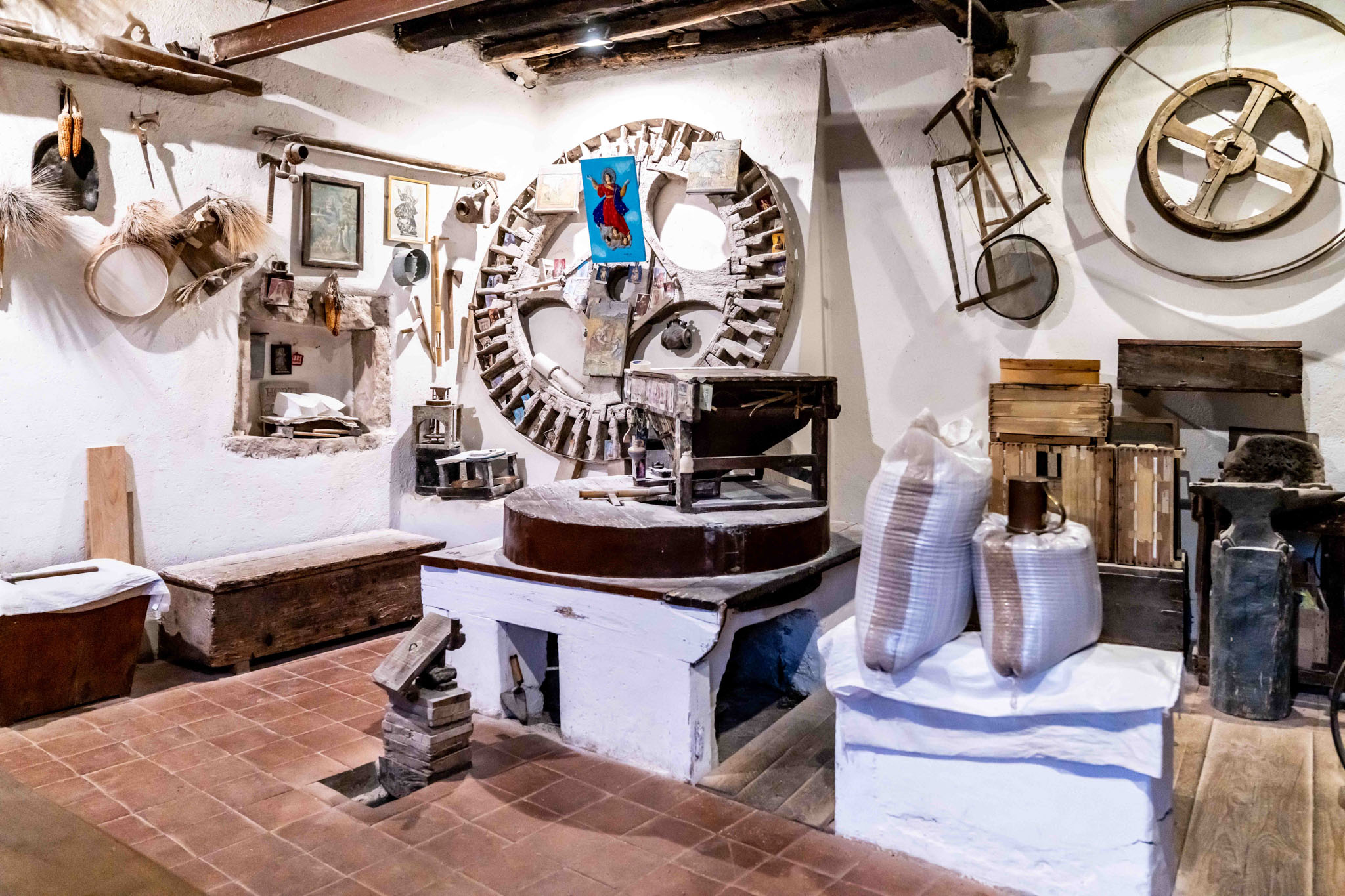
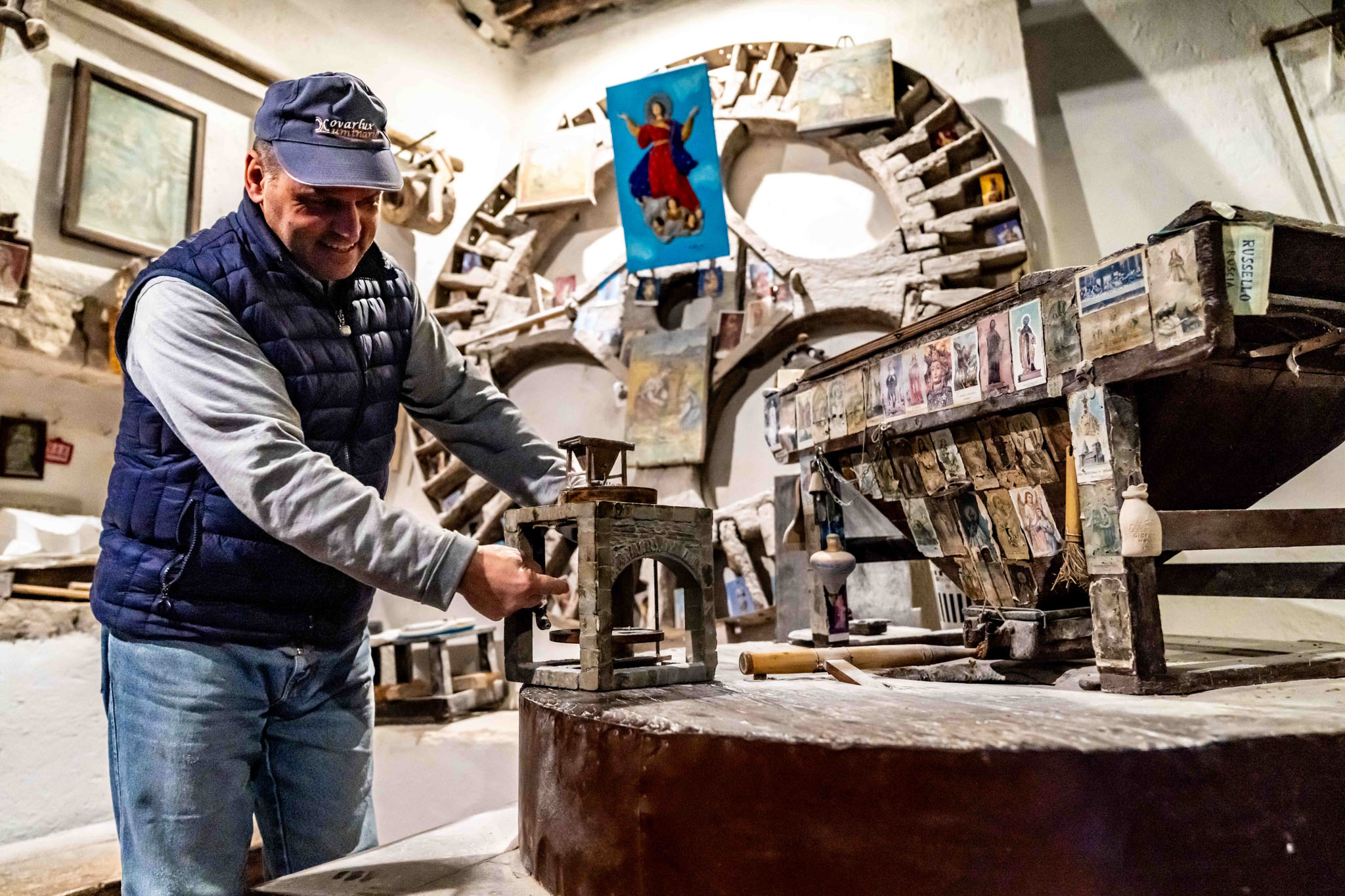
Inside, the millstone, moved by the water, transforms ancient cereals – grains like Russello, Perciasacchi, Maiorca, and Timillia – into prized whole grain flours.
The stone building fits harmoniously into the village context: a perfect fusion of nature, water, and rural architecture.
Rebirth and Enhancement
After its purchase by the Affannato family in 1860, the mill experienced a long period of decline: the agricultural crisis of the 20th century, industrial transformations, and the abandonment of old structures limited its use until its eventual closure.
But the story does not end there: in 2001, the then great-grandson of the founder decided to renovate it and transform it into a museum-mill; subsequently, in 2006, his son Mario managed to bring the structure back into operation as an active mill, dedicated to the production of flours from ancient Sicilian grains.
Today, the Giorginaro Mill is not just a historical asset to be admired, but a living experience: visitors can follow the water cycle, observe the turning wheel, hear the sound of the millstone, and understand how much effort and craftsmanship were required in the past to turn a grain into flour.
Visitor Experience
Visiting the mill means granting yourself a moment of slowness, immersed in the sound of the wheel, the smell of ancient stone, the charm of the flowing water, and the memory of an agricultural world that shaped the territory. It is an opportunity to tell children—or simply to relive—the value of craftsmanship, tradition, and quality. During the winter, the Giorginaro Mill even hosts a charming Santa Claus village, making the visit even more magical for families and groups.
Why It Deserves a Visit
If you are exploring Novara di Sicilia, taking the time to stop at the Giorginaro Mill is a choice that enriches your visit: it connects you with a true piece of rural Sicily, away from the more touristy flows, and offers you an authentic and meaningful story. The wheel that continues to turn, the flours born from ancient grains, the building that has witnessed different eras: all this makes the mill a place that speaks to the present.
A perfect stop for those who love rural art, local identity, genuine flavors, and the idea that behind every grain of wheat lies a story worth listening to.